ꯐꯥꯏꯜ:The Royal Navy during the Second World War A26878.jpg

ꯐꯥꯏꯜ ꯑꯁꯦꯡꯕ (২,২৮৩ × ১,৭৭২ ꯄꯤꯛꯆꯦꯜꯁ, ꯐꯥꯏꯜ ꯆꯥꯎꯕꯒꯤ ꯆꯥꯡ: ১.৩৪ MB, MIME ꯃꯈꯜ: image/jpeg)
ꯑꯇꯦꯟꯕꯥ ꯁꯟꯗꯣꯛꯅꯥ ꯇꯥꯛꯄꯥ
| Artist |
Royal Navy official photographer |
|||
| ꯁꯟꯗꯣꯛꯅꯥ ꯇꯥꯛꯄꯥ |
English: The Royal Navy during the Second World War Sea forts in the Thames Estuary: The fort in position and ready for action. Air is still seen escaping from the sea cocks as further consolidating water ballast enters the pontoon base. One of the forts was actually in action half an hour after being put into position. These secret forts of the Thames Estuary were an effective defence against attacks by sea and air on the estuary. Visible on the very top of the fort is a Searchlight Control radar, a medium-accuracy system used to help aim a searchlight which would then be used to illuminate the target for conventional optical aiming. The large guns on either side of the fort are 3.7-inch AA. Just left of center, at the "back" of the fort from this position, is a Bofors 40mm gun. The barrel of a second Bofors can be made out just right of center. |
|||
| ꯆꯩꯆꯠ |
꯱꯹꯳꯹ - ꯱꯹꯴꯵ date QS:P571,+1950-00-00T00:00:00Z/7,P1319,+1939-00-00T00:00:00Z/9,P1326,+1945-00-00T00:00:00Z/9 |
|||
| Source/Photographer |
http://media.iwm.org.uk/iwm/mediaLib//31/media-31026/large.jpg
|
|||
| ꯑꯌꯥꯕ ꯂꯧꯕ (ꯃꯁꯤꯒꯤ ꯐꯥꯏꯜꯁꯤ ꯑꯃꯨꯛ ꯍꯟꯅꯥ ꯁꯤꯖꯤꯟꯅꯕꯥ) |
This image was created and released by the Imperial War Museum on the IWM Non Commercial Licence. Photographs taken, or artworks created, by a member of the forces during their active service duties are covered by Crown Copyright provisions. Faithful reproductions may be reused under that licence, which is considered expired 50 years after their creation. | |||
| Part of InfoField | Admiralty Official Collection | |||
| Subject(s) InfoField |
|
|||
| Category InfoField | photographs | |||
| Image sorted InfoField | yes |

.svg)
ꯑꯌꯥꯕꯥ
This file is in the public domain because it is a mere mechanical scan or photocopy of a public domain original, or – from the available evidence – is so similar to such a scan or photocopy that no copyright protection can be expected to arise. The original itself is in the public domain for the following reason:
This tag is designed for use where there may be a need to assert that any enhancements (eg brightness, contrast, colour-matching, sharpening) are in themselves insufficiently creative to generate a new copyright. It can be used where it is unknown whether any enhancements have been made, as well as when the enhancements are clear but insufficient. For known raw unenhanced scans you can use an appropriate {{PD-old}} tag instead. For usage, see Commons:When to use the PD-scan tag.  |


Captions
ꯐꯥꯏꯜꯒꯤ ꯄꯨꯋꯥꯔꯤ
ꯆꯩꯆꯠ/ꯃꯇꯝꯗ ꯅꯝꯃꯨ ꯃꯇꯝ ꯑꯗꯨꯗ ꯐꯥꯏꯜ ꯑꯗꯨ ꯎꯅꯕ
| ꯆꯩꯆꯠ/ꯃꯇꯝ | ꯈꯨꯠꯄꯤꯈꯨꯖꯤꯟ | ꯄꯥꯛ ꯆꯥꯎꯕꯥ | ꯁꯤꯖꯤꯟꯅꯔꯤꯕ | ꯑꯄꯥꯝꯕ ꯐꯣꯡꯗꯣꯛ ꯎ | |
|---|---|---|---|---|---|
| ꯍꯧꯖꯤꯛꯀꯤ | ꯰꯱:꯰꯲, ꯱꯱ ꯑꯣꯛꯇꯣꯕꯔ ꯲꯰꯱꯷ | 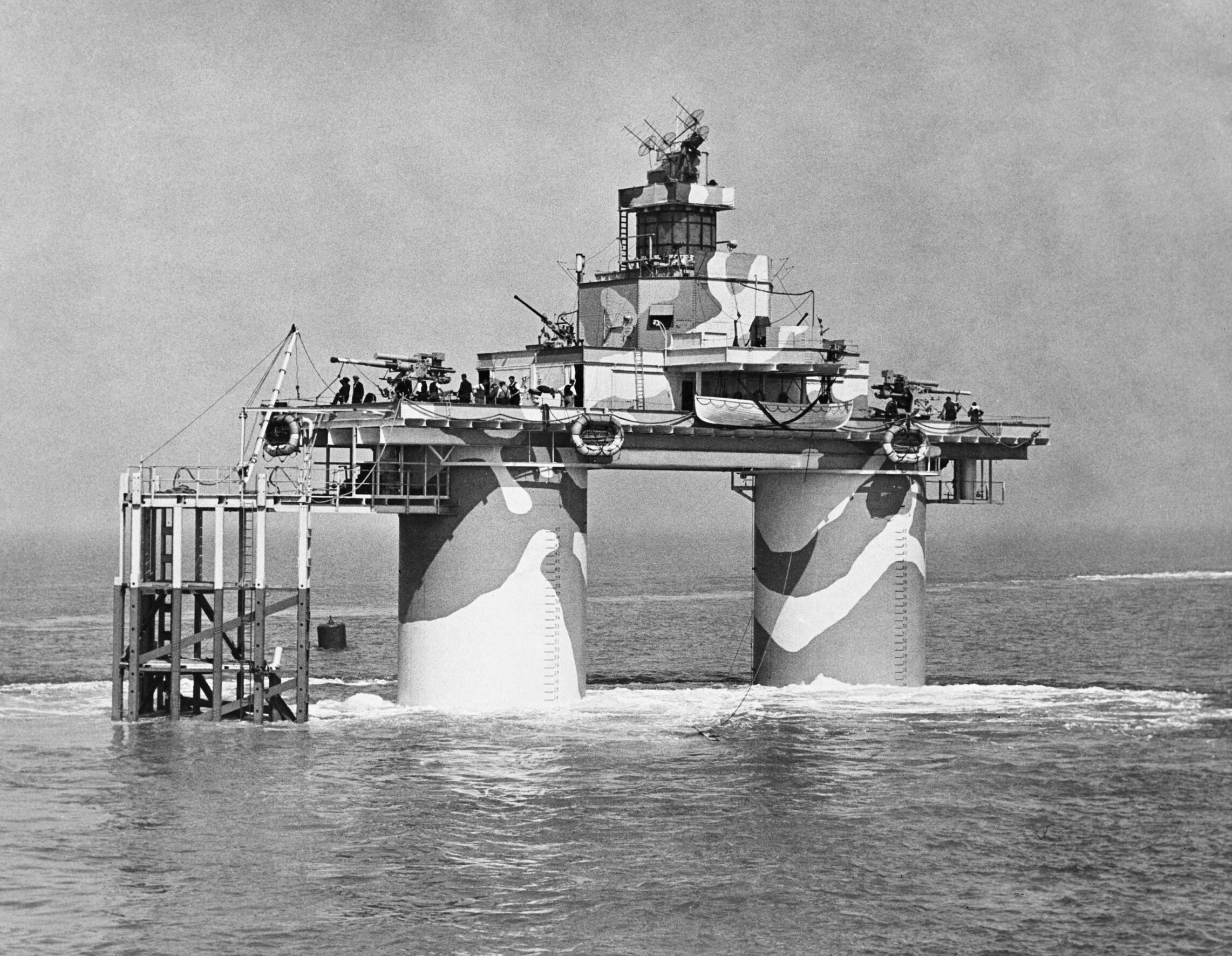 | ২,২৮৩ × ১,৭৭২ (১.৩৪ MB) | smartcommons>Ducksoup | Resolution 800×624, replace with 2,283×1,772 |
ꯐꯥꯏꯜꯒꯤ ꯁꯤꯖꯤꯟꯅꯐꯝ
ꯃꯁꯤꯒꯤ ꯐꯥꯏꯜ ꯁꯤ ꯁꯤꯖꯤꯟꯅꯕ ꯂꯃꯥꯏꯁꯤꯡ ꯂꯩꯇꯦ ꯫
