ꯐꯥꯏꯜ:Gini since WWII.svg

Size of this PNG preview of this SVG file: ২২০ × ১৫৯ ꯄꯤꯛꯆꯦꯜꯁ. ꯑꯇꯩ ꯔꯤꯁꯣꯂꯨꯁꯟ: ৩২০ × ২৩২ ꯄꯤꯛꯆꯦꯜꯁ.
ꯐꯥꯏꯜ ꯑꯁꯦꯡꯕ (ꯑꯦꯁ•ꯚꯤ•ꯖꯤ ꯐꯥꯏꯜ, ꯌꯥꯝꯗꯅ ১,৯০০ × ১,৩৭৬ ꯄꯤꯛꯆꯦꯜ, ꯐꯥꯏꯜ ꯆꯥꯎꯕꯒꯤ ꯆꯥꯡ: ৫৪ KB)
| ꯁꯟꯗꯣꯛꯅꯥ ꯇꯥꯛꯄꯥGini since WWII.svg |
English: Gini indices of selected countries are from publicly available data from the World Bank, Nationmaster, and the US Census Bureau.
The Gini index is the Gini coefficient expressed as a percentage, and is equal to the Gini coefficient multiplied by 100. The Gini coefficient is a measure of statistical dispersion most prominently used as a measure of inequality of income distribution or inequality of wealth distribution. It is defined as a ratio with values between 0 and 1: A low Gini coefficient indicates more equal income or wealth distribution, while a high Gini coefficient indicates more unequal distribution. 0 corresponds to perfect equality (everyone having exactly the same income) and 1 corresponds to perfect inequality (where one person has all the income, while everyone else has zero income). The Gini coefficient requires that no one have a negative net income or wealth. Worldwide, Gini coefficients range from approximately 0.249 in Japan to 0.707 in Namibia. |
||
| ꯆꯩꯆꯠ | |||
| ꯍꯧꯔꯛꯐꯛ |
Own work. Derived from  File:Gini since WWII.gif by Citynoise(en.wp), released under PD-self. Coloured using Inkscape. File:Gini since WWII.gif by Citynoise(en.wp), released under PD-self. Coloured using Inkscape. |
||
| ꯄꯨꯊꯣꯛꯂꯤꯕ ꯃꯤ | Cflm001 (ꯋꯥ ꯍꯥꯏꯐꯝ) | ||
| ꯑꯌꯥꯕ ꯂꯧꯕ (ꯃꯁꯤꯒꯤ ꯐꯥꯏꯜꯁꯤ ꯑꯃꯨꯛ ꯍꯟꯅꯥ ꯁꯤꯖꯤꯟꯅꯕꯥ) |
I, the copyright holder of this work, hereby publish it under the following licenses:
   ꯐꯥꯏꯜ ꯑꯁꯤ ꯀ꯭ꯔꯤꯌꯦꯇꯤꯚ ꯀꯣꯃꯣꯟꯁꯀꯤ Attribution-Share Alike 3.0 Unported ꯑꯌꯥꯕꯒꯤ ꯃꯈꯥꯗ ꯌꯥꯎꯕꯅꯤ ꯫
ꯅꯪ ꯅꯁꯥꯅꯥ ꯃꯁꯤꯒꯤ ꯑꯌꯥꯕꯁꯤ ꯈꯟꯕꯥ ꯌꯥꯅꯤ ꯫ |
||
| Other versions |
|
||
| SVG genesis InfoField |  This diagram was created with Inkscape, or with something else. This diagram was created with Inkscape, or with something else. |



Captions
Add a one-line explanation of what this file represents
ꯐꯥꯏꯜꯒꯤ ꯄꯨꯋꯥꯔꯤ
ꯆꯩꯆꯠ/ꯃꯇꯝꯗ ꯅꯝꯃꯨ ꯃꯇꯝ ꯑꯗꯨꯗ ꯐꯥꯏꯜ ꯑꯗꯨ ꯎꯅꯕ
| ꯆꯩꯆꯠ/ꯃꯇꯝ | ꯈꯨꯠꯄꯤꯈꯨꯖꯤꯟ | ꯄꯥꯛ ꯆꯥꯎꯕꯥ | ꯁꯤꯖꯤꯟꯅꯔꯤꯕ | ꯑꯄꯥꯝꯕ ꯐꯣꯡꯗꯣꯛ ꯎ | |
|---|---|---|---|---|---|
| ꯍꯧꯖꯤꯛꯀꯤ | ꯲꯱:꯴꯰, ꯲꯷ ꯁꯦꯞꯇꯦꯝꯕꯔ ꯲꯰꯰꯹ | 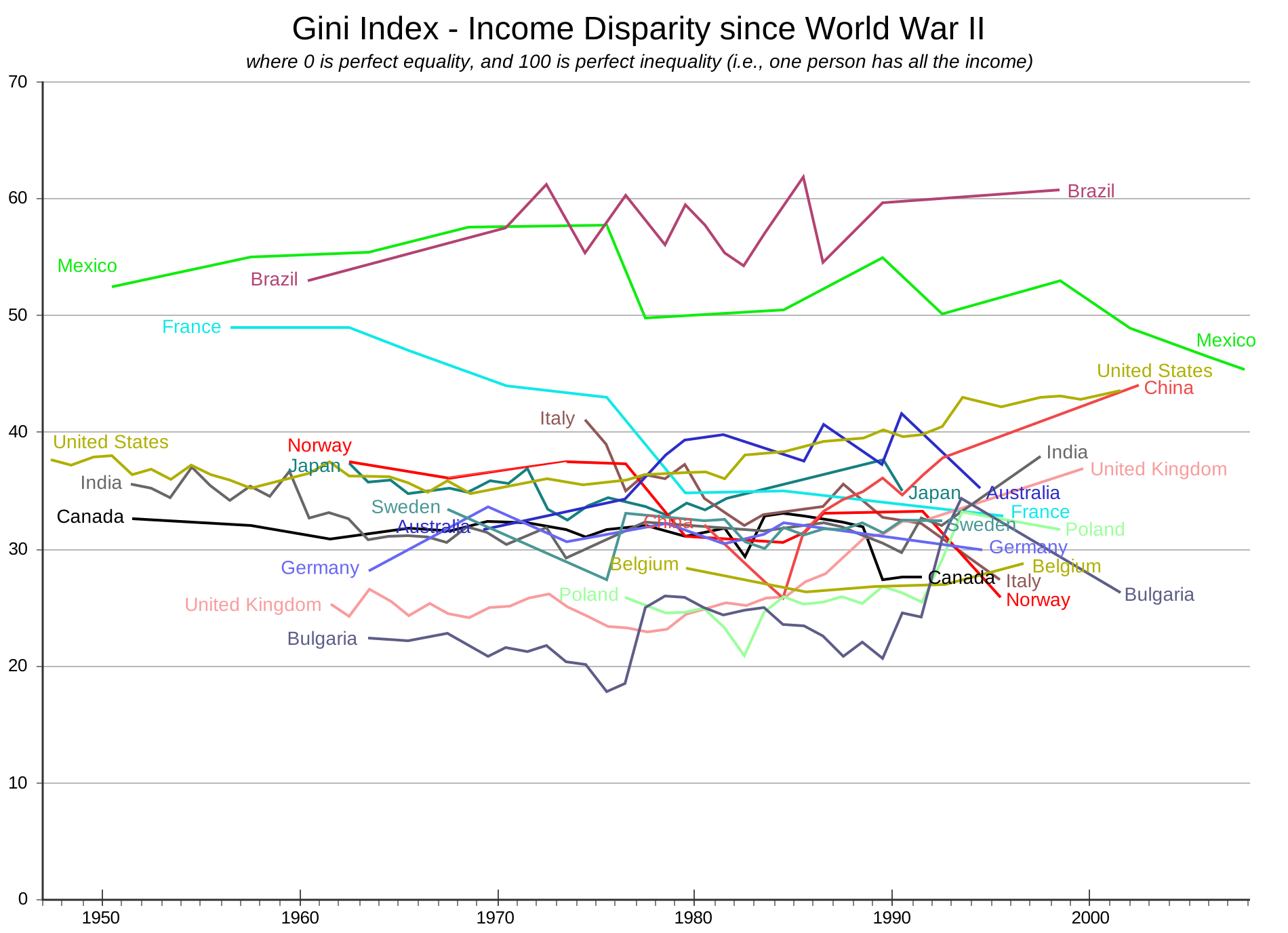 | ১,৯০০ × ১,৩৭৬ (৫৪ KB) | smartcommons>Cflm001 | adding Germany and Sweden start labels. Synching Poland label colour with line |
ꯐꯥꯏꯜꯒꯤ ꯁꯤꯖꯤꯟꯅꯐꯝ
ꯃꯁꯤꯒꯤ ꯐꯥꯏꯜ ꯁꯤ ꯁꯤꯖꯤꯟꯅꯕ ꯂꯃꯥꯏꯁꯤꯡ ꯂꯩꯇꯦ ꯫
