ꯐꯥꯏꯜ:Ephesians 2,12 - Greek atheos.jpg

ꯃꯁꯤꯒꯤ ꯄ꯭ꯔꯚꯤꯌꯨ ꯑꯁꯤꯒꯤ ꯁꯥꯏꯓ: ২২০ × ৯৩ ꯄꯤꯛꯆꯦꯜꯁ. ꯑꯇꯩ ꯔꯤꯁꯣꯂꯨꯁꯟ: ৩২০ × ১৩৫ ꯄꯤꯛꯆꯦꯜꯁ.
ꯐꯥꯏꯜ ꯑꯁꯦꯡꯕ (৩২০ × ১৩৫ ꯄꯤꯛꯆꯦꯜꯁ, ꯐꯥꯏꯜ ꯆꯥꯎꯕꯒꯤ ꯆꯥꯡ: ৪৫ KB, MIME ꯃꯈꯜ: image/jpeg)

| ꯁꯟꯗꯣꯛꯅꯥ ꯇꯥꯛꯄꯥEphesians 2,12 - Greek atheos.jpg |
The Greek word "atheoi" αθεοι ("[those who are] without god") as it appears in the Epistle to the Ephesians 2:12, on the early 3rd-century Papyrus 46. This word - in any of its forms - appears nowhere else in the New Testament or the Koine Greek version of the Old Testament.
|
| ꯆꯩꯆꯠ | End of IInd century - first half of IIIrd century A.D. (?) |
| ꯍꯧꯔꯛꯐꯛ | Advanced Papyrological Information System, UM, [1] |
| ꯄꯨꯊꯣꯛꯂꯤꯕ ꯃꯤ |
UnknownUnknown Image uploaded to en.wikipedia by en:User:Brian0918 on 15:48, 29 March 2007. |
| Public domainPublic domainfalsefalse |

|
This work is in the public domain in its country of origin and other countries and areas where the copyright term is the author's life plus 100 years or fewer.  You must also include a United States public domain tag to indicate why this work is in the public domain in the United States. You must also include a United States public domain tag to indicate why this work is in the public domain in the United States.
|
| This file has been identified as being free of known restrictions under copyright law, including all related and neighboring rights. | |
https://creativecommons.org/publicdomain/mark/1.0/PDMCreative Commons Public Domain Mark 1.0falsefalse
Captions
Add a one-line explanation of what this file represents
безбожник...
Yunan sözü "atheoi" αθεοι ("[Tanrısız olanlar") Efeslilərə Məktubda 2: 12-də, 3-cü əsrin əvvəllərində Papirüs 46-da göründüyü kimi 46. Bu söz - hər hansı bir şəkildə - görünür Yeni Əhdi-Cədiddə və ya Əhdi-Ətiqin Koine Yunan dilində başqa bir yerində
Từ Hy Lạp "atheoi" αθεοι ("[những người] không có thần") xuất hiện trong Thư gửi người Ê-phê-sô 2:12, trên giấy cói đầu thế kỷ thứ 3 46. Từ này - dưới bất kỳ hình thức nào - xuất hiện không nơi nào khác trong Tân Ước hoặc bản Koine Hy Lạp của Cựu Ước
ꯐꯥꯏꯜꯒꯤ ꯄꯨꯋꯥꯔꯤ
ꯆꯩꯆꯠ/ꯃꯇꯝꯗ ꯅꯝꯃꯨ ꯃꯇꯝ ꯑꯗꯨꯗ ꯐꯥꯏꯜ ꯑꯗꯨ ꯎꯅꯕ
| ꯆꯩꯆꯠ/ꯃꯇꯝ | ꯈꯨꯠꯄꯤꯈꯨꯖꯤꯟ | ꯄꯥꯛ ꯆꯥꯎꯕꯥ | ꯁꯤꯖꯤꯟꯅꯔꯤꯕ | ꯑꯄꯥꯝꯕ ꯐꯣꯡꯗꯣꯛ ꯎ | |
|---|---|---|---|---|---|
| ꯍꯧꯖꯤꯛꯀꯤ | ꯱꯶:꯲꯵, ꯹ ꯃꯥꯔꯆ ꯲꯰꯰꯸ | 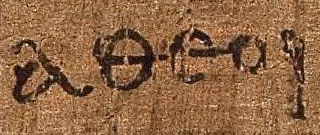 | ৩২০ × ১৩৫ (৪৫ KB) | smartcommons>Dread83 | '''From en.wikipedia''' The Greek word "atheoi" ("[those who are] without god") as it appears in the Epistle to the Ephesians 2:12, on the early 3rd-century Papyrus 46. This word - in any of its forms - appears nowhere else in the New |
ꯐꯥꯏꯜꯒꯤ ꯁꯤꯖꯤꯟꯅꯐꯝ
ꯃꯁꯤꯒꯤ ꯐꯥꯏꯜ ꯁꯤ ꯁꯤꯖꯤꯟꯅꯕ ꯂꯃꯥꯏꯁꯤꯡ ꯂꯩꯇꯦ ꯫
