ꯐꯥꯏꯜ:Dualism-vs-Monism.png

ꯃꯁꯤꯒꯤ ꯄ꯭ꯔꯚꯤꯌꯨ ꯑꯁꯤꯒꯤ ꯁꯥꯏꯓ: ২২০ × ১২০ ꯄꯤꯛꯆꯦꯜꯁ. ꯑꯇꯩ ꯁꯦꯡꯅ ꯌꯦꯡꯕ ꯌꯥꯕ: ৩২০ × ১৭৫ ꯄꯤꯛꯆꯦꯜꯁ | ৬৫১ × ৩৫৬ ꯄꯤꯛꯆꯦꯜꯁ.
ꯐꯥꯏꯜ ꯑꯁꯦꯡꯕ (৬৫১ × ৩৫৬ ꯄꯤꯛꯆꯦꯜꯁ, ꯐꯥꯏꯜ ꯆꯥꯎꯕꯒꯤ ꯆꯥꯡ: ৩৫ KB, MIME ꯃꯈꯜ: image/png)

ꯑꯇꯦꯟꯕꯥ ꯁꯟꯗꯣꯛꯅꯥ ꯇꯥꯛꯄꯥ

|
This image (or all images in this category) uses inside labels or attached captions in a specific script or language and should be converted to a language neutral form. This would allow its use in all Wikimedia projects and, more importantly, all Wikimedia languages.
|

|
This diagram image could be re-created using vector graphics as a SVG file. This has several advantages; see Commons:Media for cleanup for more information. If a SVG form of this image is available, please upload it and afterwards replace this template with
{{vector version available|new image name}}.It is recommended to name the SVG file “Dualism-vs-Monism.svg”—then the template Vector version available (or Vva) does not need the new image name parameter. |
| ꯁꯟꯗꯣꯛꯅꯥ ꯇꯥꯛꯄꯥDualism-vs-Monism.png |
English: An illustration of the ontologies of dualism versus monism showing how physical substance relates to mental substance (i.e. body & mind) as either fundamental or derivative. Monism is further divided into physicalism, idealism, or neutral monism where the physical and mental are both derivative of a third substance that is neither body nor mind.
An alternative term for derivative is emergent. For example, a typical ontology held by physicists is that the physical realm is fundamental, and the phenomenon of consciousness is emergent from that (physicalism). Likewise, a typical ontology held by many in religion is that spirit is fundamental, with both mind and matter being emergent from that (neutral monism). Reference: Kind, Amy; Stoljar, Daniel (꯲꯰꯲꯳) "Introduction" in (ꯏꯪꯂꯤꯁ) What is Consciousness?: A Debate, Taylor & Francis ISBN: 978-1-000-86666-7. |
| ꯆꯩꯆꯠ | |
| ꯍꯧꯔꯛꯐꯛ | ꯏꯁꯥ ꯏꯊꯟꯇꯒꯤ ꯑꯣꯏꯕꯥ ꯊꯕꯛ |
| ꯄꯨꯊꯣꯛꯂꯤꯕ ꯃꯤ | Dustin Dewynne |
ꯑꯌꯥꯕꯥ
I, the copyright holder of this work, hereby publish it under the following license:
 
|
This file is made available under the Creative Commons CC0 1.0 Universal Public Domain Dedication. |
| The person who associated a work with this deed has dedicated the work to the public domain by waiving all of their rights to the work worldwide under copyright law, including all related and neighboring rights, to the extent allowed by law. You can copy, modify, distribute and perform the work, even for commercial purposes, all without asking permission.
http://creativecommons.org/publicdomain/zero/1.0/deed.enCC0Creative Commons Zero, Public Domain Dedicationfalsefalse |
Captions
Add a one-line explanation of what this file represents
948 796 933
ꯐꯥꯏꯜꯒꯤ ꯄꯨꯋꯥꯔꯤ
ꯆꯩꯆꯠ/ꯃꯇꯝꯗ ꯅꯝꯃꯨ ꯃꯇꯝ ꯑꯗꯨꯗ ꯐꯥꯏꯜ ꯑꯗꯨ ꯎꯅꯕ
| ꯆꯩꯆꯠ/ꯃꯇꯝ | ꯈꯨꯠꯄꯤꯈꯨꯖꯤꯟ | ꯄꯥꯛ ꯆꯥꯎꯕꯥ | ꯁꯤꯖꯤꯟꯅꯔꯤꯕ | ꯑꯄꯥꯝꯕ ꯐꯣꯡꯗꯣꯛ ꯎ | |
|---|---|---|---|---|---|
| ꯍꯧꯖꯤꯛꯀꯤ | ꯰꯸:꯲꯲, ꯲꯵ ꯖꯨꯂꯥꯏ ꯲꯰꯱꯲ | 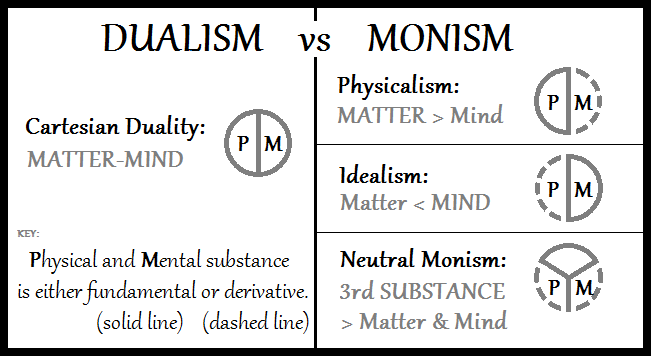 | ৬৫১ × ৩৫৬ (৩৫ KB) | smartcommons>Dustin Dewynne | Tweaked, with a slightly bolder line to emphasize the division between dualism and monism. |
ꯐꯥꯏꯜꯒꯤ ꯁꯤꯖꯤꯟꯅꯐꯝ
ꯃꯁꯤꯒꯤ ꯐꯥꯏꯜ ꯁꯤ ꯁꯤꯖꯤꯟꯅꯕ ꯂꯃꯥꯏꯁꯤꯡ ꯂꯩꯇꯦ ꯫
