ꯐꯥꯏꯜ:Distribution of religions in China.png

ꯐꯥꯏꯜ ꯑꯁꯦꯡꯕ (৩,১০৯ × ২,১৬৭ ꯄꯤꯛꯆꯦꯜꯁ, ꯐꯥꯏꯜ ꯆꯥꯎꯕꯒꯤ ꯆꯥꯡ: ২২২ KB, MIME ꯃꯈꯜ: image/png)

ꯑꯇꯦꯟꯕꯥ ꯁꯟꯗꯣꯛꯅꯥ ꯇꯥꯛꯄꯥ
| ꯁꯟꯗꯣꯛꯅꯥ ꯇꯥꯛꯄꯥDistribution of religions in China.png |
Demography of religions in China. Map based on the following ones:
Chinese traditional religions (worship of gods and ancestors, Taoism and Confucianism) are dominant in the provinces populated by a Han Chinese majority and have a presence in areas with large Han Chinese settlements. In northeastern China (Manchuria), it has developed unique characteristics (forms of practice and pantheon) from its interaction with Manchu shamanism. The Confucian folk religious movement Shanrendao is widespread in northeast China. Among the Han Chinese, the second largest religion is Chinese Buddhism. Theravada Buddhism is present in Yunnan areas bordering Burma, practiced by Dai peoples, and in the southern part of Hainan, practiced by the Li people. Tibetan Buddhism has an absolute majority in Tibet, and a strong presence of around 20% in Qinghai (which population is 20% ethnic Tibetan) and a smaller percentage in Inner Mongolia (13%). Mongolians practice it alongside their indigenous faith, Tengerism or Mongolian shamanism. Islam has a majority of over 50% in Xinjiang, populated by the Uyghurs, and a strong presence in Ningxia, the Hui Chinese autonomous region at the center of China, and in Qinghai. Large minorities (20-30%) of practitioners of the indigenous religion of non-Han Chinese origin, such as religions of the Zhuang, Yi, Miao, and Yao, are present in Guangxi, Guizhou and Yunnan. |
| ꯆꯩꯆꯠ | |
| ꯍꯧꯔꯛꯐꯛ | Own work of users "Khny" & "Aethelwolf Emsworth". |
| ꯄꯨꯊꯣꯛꯂꯤꯕ ꯃꯤ | Users "Khny" & "Aethelwolf Emsworth". |
| ꯑꯌꯥꯕ ꯂꯧꯕ (ꯃꯁꯤꯒꯤ ꯐꯥꯏꯜꯁꯤ ꯑꯃꯨꯛ ꯍꯟꯅꯥ ꯁꯤꯖꯤꯟꯅꯕꯥ) |
Public domain. |


ꯑꯌꯥꯕꯥ
| Public domainPublic domainfalsefalse |

|
I, the copyright holder of this work, release this work into the public domain. This applies worldwide. In some countries this may not be legally possible; if so: I grant anyone the right to use this work for any purpose, without any conditions, unless such conditions are required by law. |
Captions
ꯐꯥꯏꯜꯒꯤ ꯄꯨꯋꯥꯔꯤ
ꯆꯩꯆꯠ/ꯃꯇꯝꯗ ꯅꯝꯃꯨ ꯃꯇꯝ ꯑꯗꯨꯗ ꯐꯥꯏꯜ ꯑꯗꯨ ꯎꯅꯕ
| ꯆꯩꯆꯠ/ꯃꯇꯝ | ꯈꯨꯠꯄꯤꯈꯨꯖꯤꯟ | ꯄꯥꯛ ꯆꯥꯎꯕꯥ | ꯁꯤꯖꯤꯟꯅꯔꯤꯕ | ꯑꯄꯥꯝꯕ ꯐꯣꯡꯗꯣꯛ ꯎ | |
|---|---|---|---|---|---|
| ꯍꯧꯖꯤꯛꯀꯤ | ꯱꯶:꯳꯹, ꯲꯷ ꯑꯒꯁ ꯲꯰꯱꯶ | 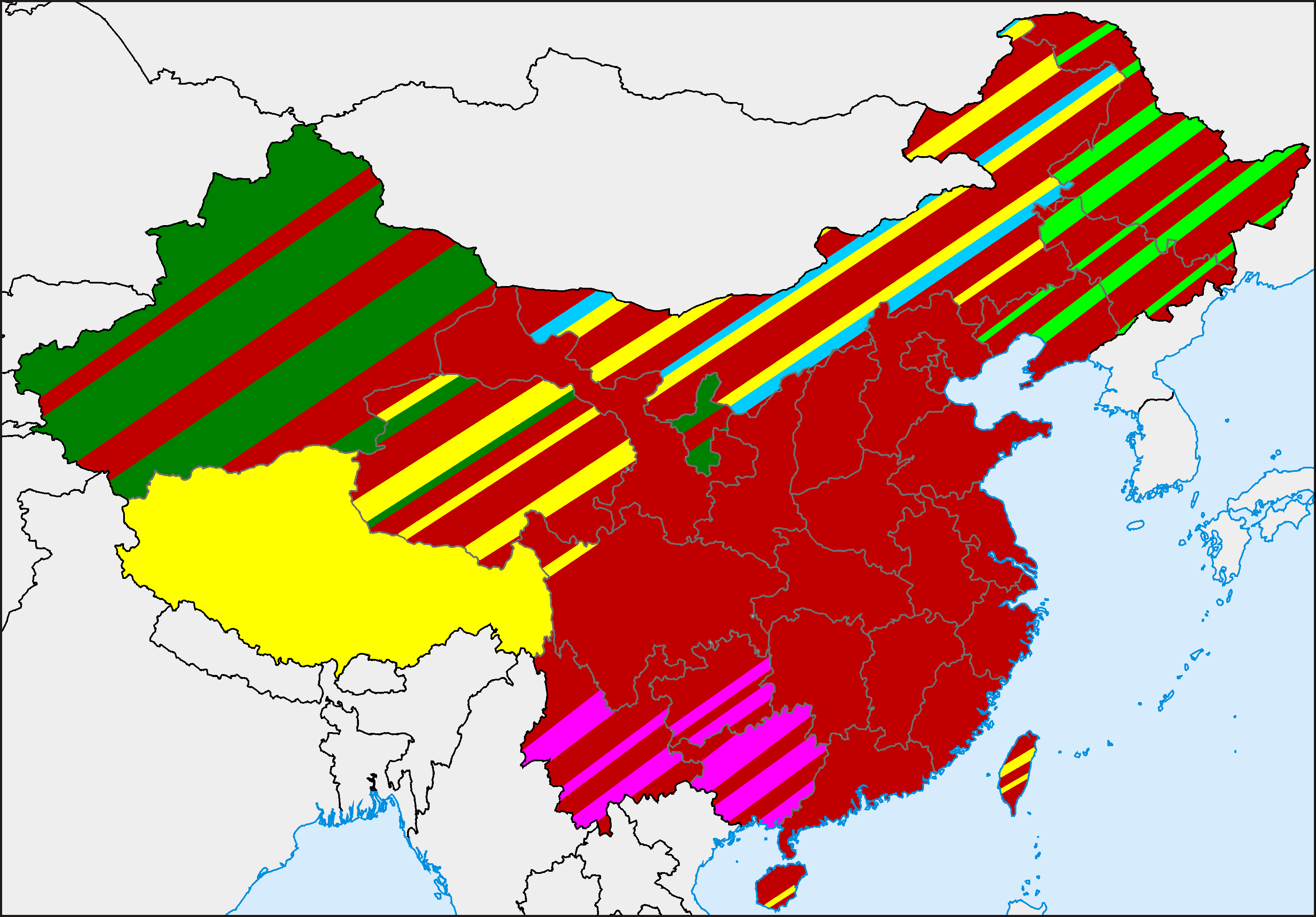 | ৩,১০৯ × ২,১৬৭ (২২২ KB) | smartcommons>Æo | {{Information |Description=Demography of religions in China. Map based on the following ones: * [http://img.webme.com/pic/g/geographie-ville-en-guerre/religions-chine.jpg Source map #1]. Dumortier, Brigitte, 2002, ''Atlas des religions'', Autrement, co... |
ꯐꯥꯏꯜꯒꯤ ꯁꯤꯖꯤꯟꯅꯐꯝ
ꯃꯁꯤꯒꯤ ꯐꯥꯏꯜ ꯁꯤ ꯁꯤꯖꯤꯟꯅꯕ ꯂꯃꯥꯏꯁꯤꯡ ꯂꯩꯇꯦ ꯫
